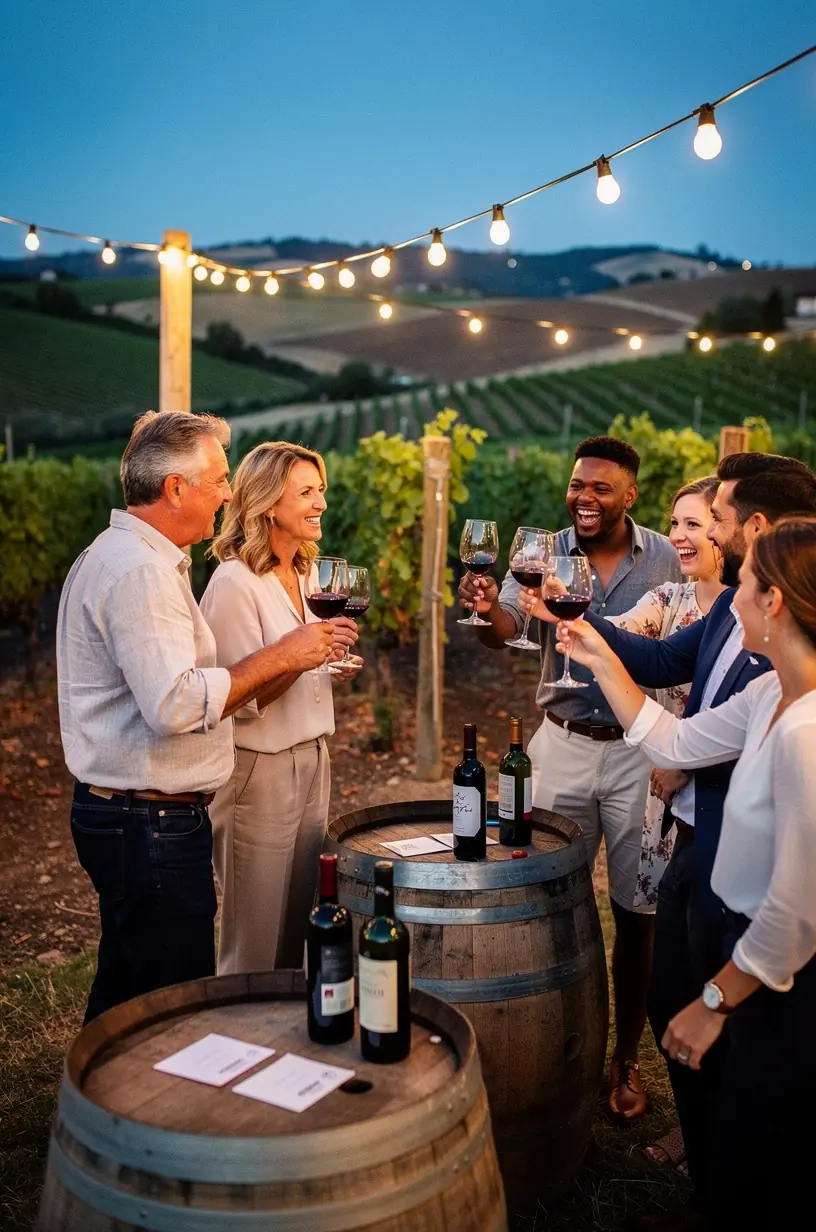
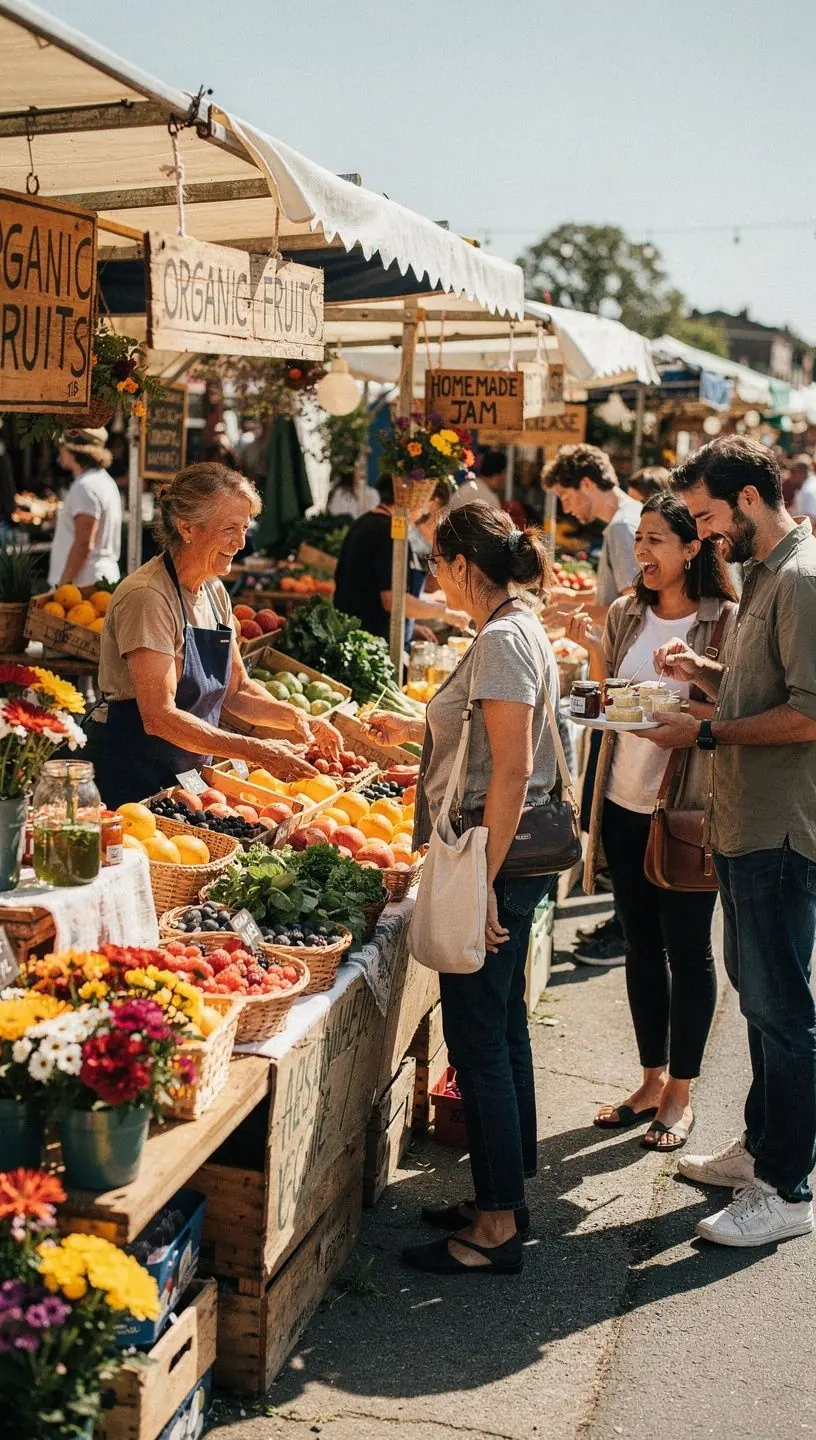
How to Organize a Neighborhood Gathering
Organizing a neighborhood gathering can be an effective way to foster community spirit, strengthen local ties, and create a welcoming environment for residents. However, many people find this task daunting. This article provides practical steps to help you plan a successful neighborhood event.
Understanding the Importance of Community Engagement
Community gatherings often serve as a platform for individuals to connect, share experiences, and build relationships. According to research from the National Institute of Health, social interactions can significantly improve mental health and reduce feelings of isolation, especially among adults aged 40-60. Thus, fostering a sense of belonging through neighborhood events can be beneficial.

"Building strong communities can lead to healthier and happier residents, as social connections often enhance overall well-being."
Steps to Organize a Neighborhood Gathering
Here are some practical steps to consider when planning your gathering:
- Set Clear Objectives: Determine the purpose of your gathering. Is it to celebrate a holiday, promote a cause, or simply to socialize? Having a clear objective will guide your planning process.
- Choose a Suitable Date and Time: Consider factors such as potential conflicts with other local events or holidays. According to community event planners, weekends often work best for most people, typically allowing for higher attendance.
- Find a Location: Identify a space where residents feel comfortable gathering. This could be a local park, community center, or even a neighbor’s backyard. Make sure it is accessible for everyone.
- Promote the Gathering: Use various methods to spread the word, such as flyers, social media posts, or word of mouth. Many community organizers find that utilizing local online forums can also increase participation.
- Plan Activities: Incorporate activities that cater to different interests. This might include games for children, music, or discussion circles for adults. Research indicates that a mix of activities can keep attendees engaged.
- Gather Supplies: Depending on your planned activities, you may need tables, chairs, food, or decorations. Consider reaching out to neighbors to see who can contribute what.
- Follow Up: After the event, take time to thank attendees and gather feedback on what they enjoyed or what could be improved for future gatherings. This can help strengthen community ties and improve future planning.
Challenges to Anticipate
While organizing a neighborhood gathering can be rewarding, several challenges may arise:
- Weather Conditions: Outdoor events can be significantly impacted by weather. It’s wise to have a backup plan, such as an indoor location or a rain date.
- Attendance Variability: While you may promote your event widely, attendance can be inconsistent. This is common and can depend on various factors, including timing and competing events.
- Resource Limitations: Gathering supplies and securing participation can require effort. It is often beneficial to delegate tasks among interested neighbors to lessen the burden on one individual.
Conclusion
Organizing a neighborhood gathering is an initiative that can create lasting connections among residents while promoting a vibrant community culture. By understanding the steps involved and preparing for potential challenges, you can effectively plan an engaging event. Remember, the goal is to create a welcoming atmosphere where everyone feels included. So gather your neighbors and start planning; the benefits of strong community ties await!