The Impact of Volunteering on Community Connections
Volunteering is more than just an altruistic endeavor; it plays a critical role in forging community connections, especially for individuals aged 40-60. This article explores how engaging in volunteer work can enhance both personal and social well-being.
Understanding the Benefits of Volunteering
According to research, volunteering can significantly improve one’s mental health. Studies show that individuals who volunteer regularly report lower levels of depression and anxiety. This positive effect is attributed to the sense of purpose and fulfillment gained from contributing to a cause greater than oneself.
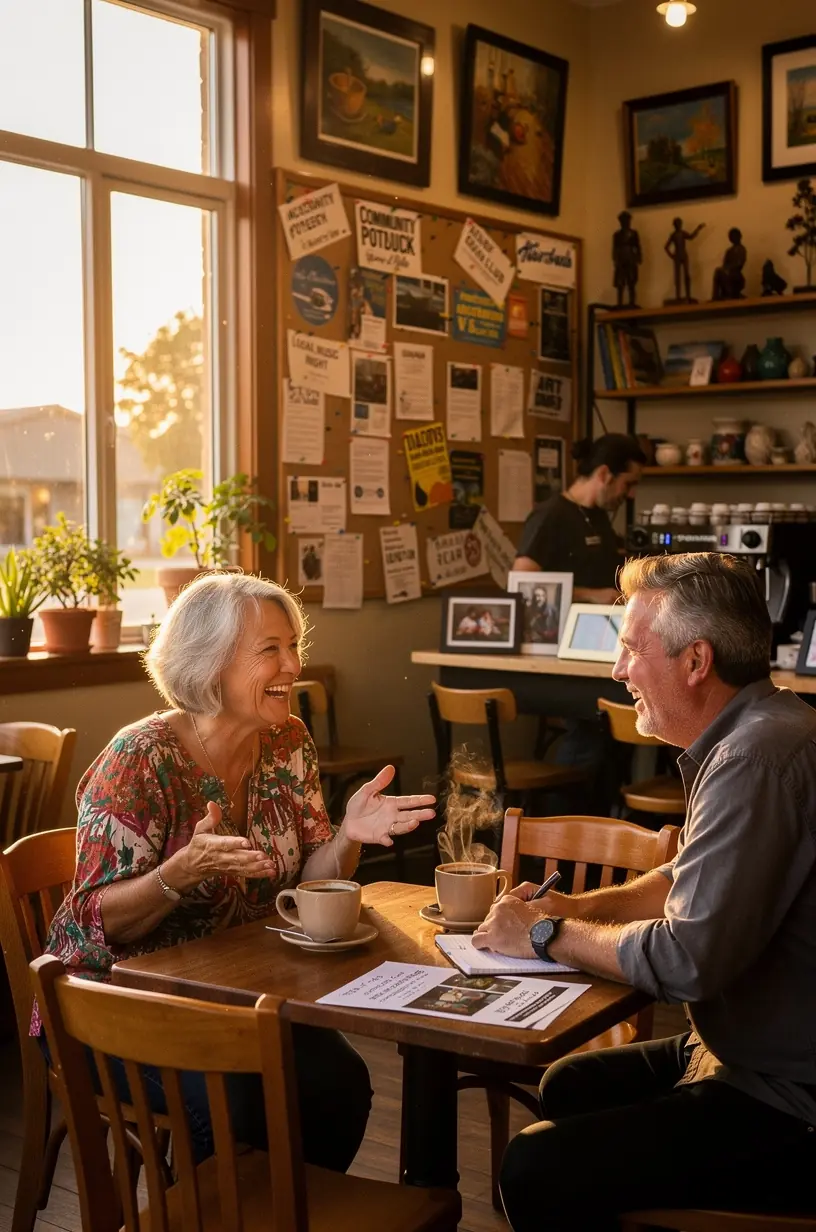
"Volunteering not only enhances community ties but also fosters personal growth and satisfaction." - Community Development Expert
Building Meaningful Connections
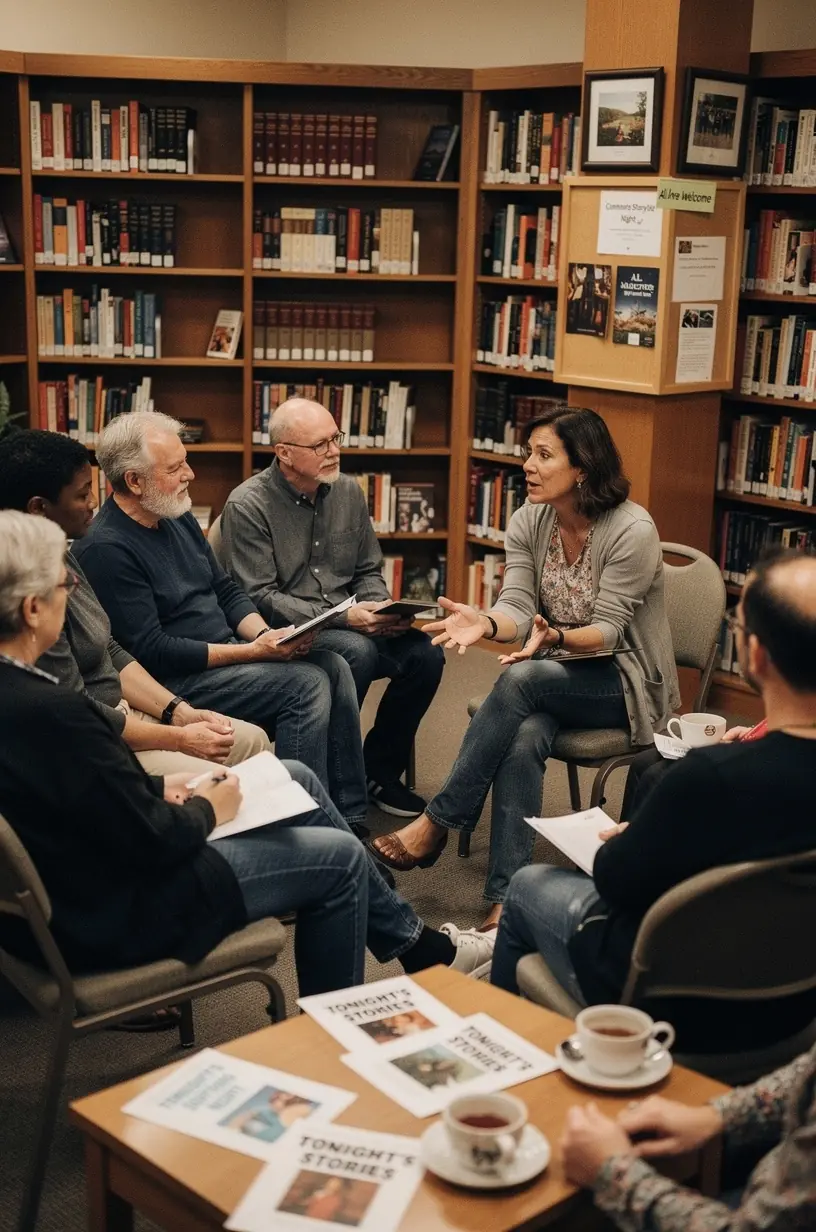
One of the most profound impacts of volunteering is the opportunity to build meaningful connections with others. When people come together for a common cause, relationships are formed based on shared values and goals. Expert recommendations suggest that engaging in group volunteer activities can lead to lasting friendships and a sense of belonging.
The Process of Getting Involved
Typically, the process of finding a suitable volunteer opportunity involves several steps:
- Identify Your Interests: Consider what causes resonate with you. Whether it’s helping the elderly, working with animals, or supporting local arts, choosing a cause you care about is crucial.
- Research Local Opportunities: Many organizations rely on volunteers. Local community centers, libraries, and non-profit organizations often list opportunities on their websites or social media pages.
- Commit Your Time: While volunteering can be flexible, it often requires a commitment. Many organizations appreciate regular volunteers who can dedicate a few hours each week or month.
- Engage and Reflect: After participating, take time to reflect on your experiences. This can help you understand the impact you’re making and what you want to pursue next.
The Ripple Effect on Community
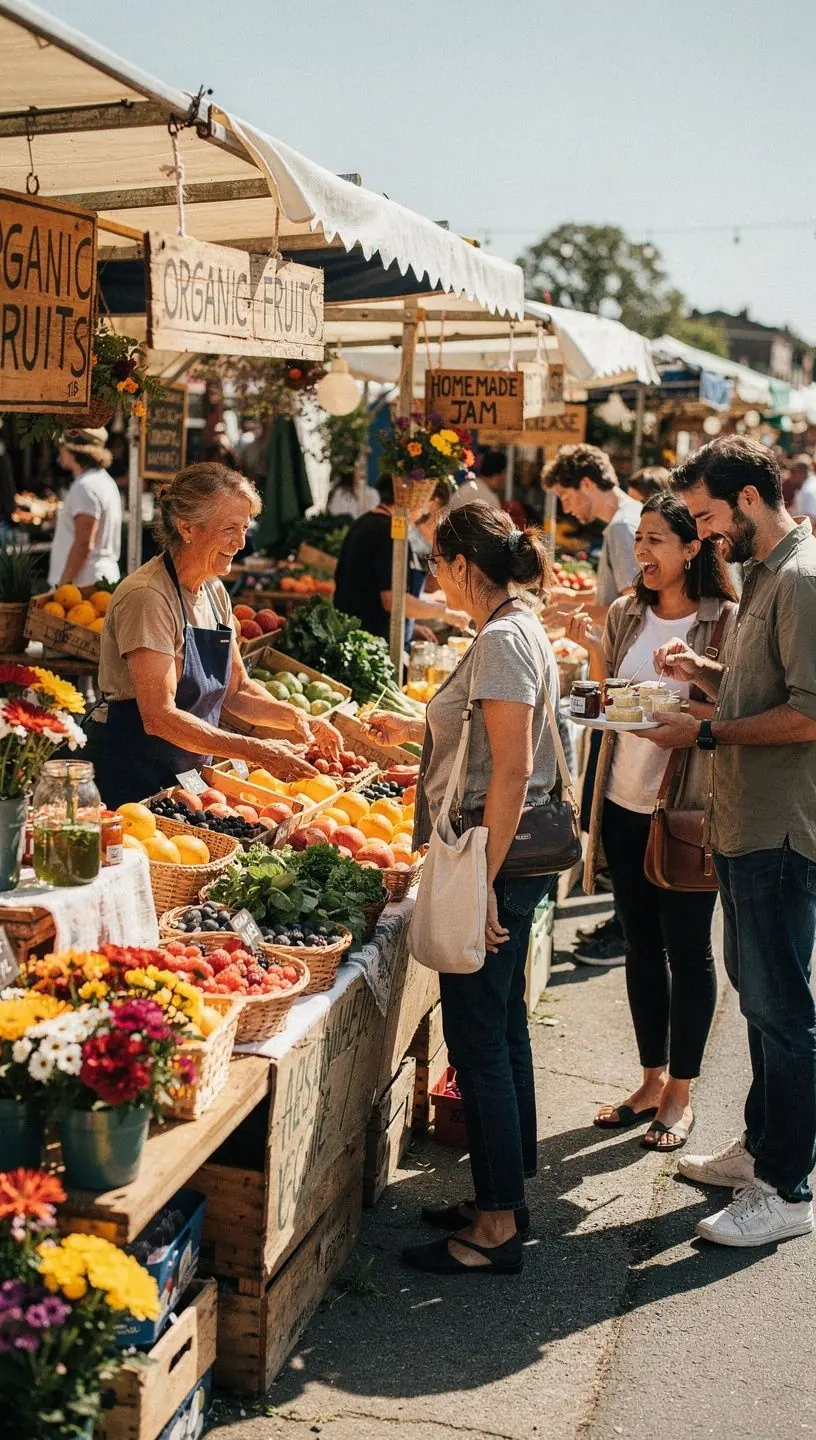
Volunteering can also have a ripple effect on the community. When individuals engage in volunteer work, they often inspire others to join in. According to industry experts, this phenomenon can lead to an increase in community participation which helps build a stronger, more resilient community overall.
Furthermore, volunteering can provide educational opportunities. Many volunteers report gaining new skills and experiences that can enhance their professional lives. For instance, organizing events or managing projects can improve leadership and communication skills.
Acknowledging Limitations
It’s important to recognize that while volunteering offers numerous benefits, it may not be suitable for everyone. Some individuals may find it challenging due to time constraints or personal commitments. Additionally, not all volunteer experiences will yield immediate satisfaction; sometimes, building connections takes time and effort.
Conclusion
In conclusion, volunteering can profoundly impact community connections, fostering relationships, enhancing mental well-being, and contributing to personal growth. While it requires a commitment of time and effort, the rewards—both personal and communal—are often worth it. As you consider engaging in volunteer work, remember that you are not only making a difference in the lives of others but also enriching your own.
Learn More