Understanding the Role of Art in Local Communities
Art plays a crucial role in enriching local communities, particularly for those aged 40 to 60. This article explores how art fosters cultural engagement, strengthens social ties, and enhances community identity.
The Cultural Significance of Art
Art serves as a reflection of community values and experiences. According to research conducted by the National Endowment for the Arts, communities that engage in the arts tend to display increased social cohesion and a stronger sense of belonging.
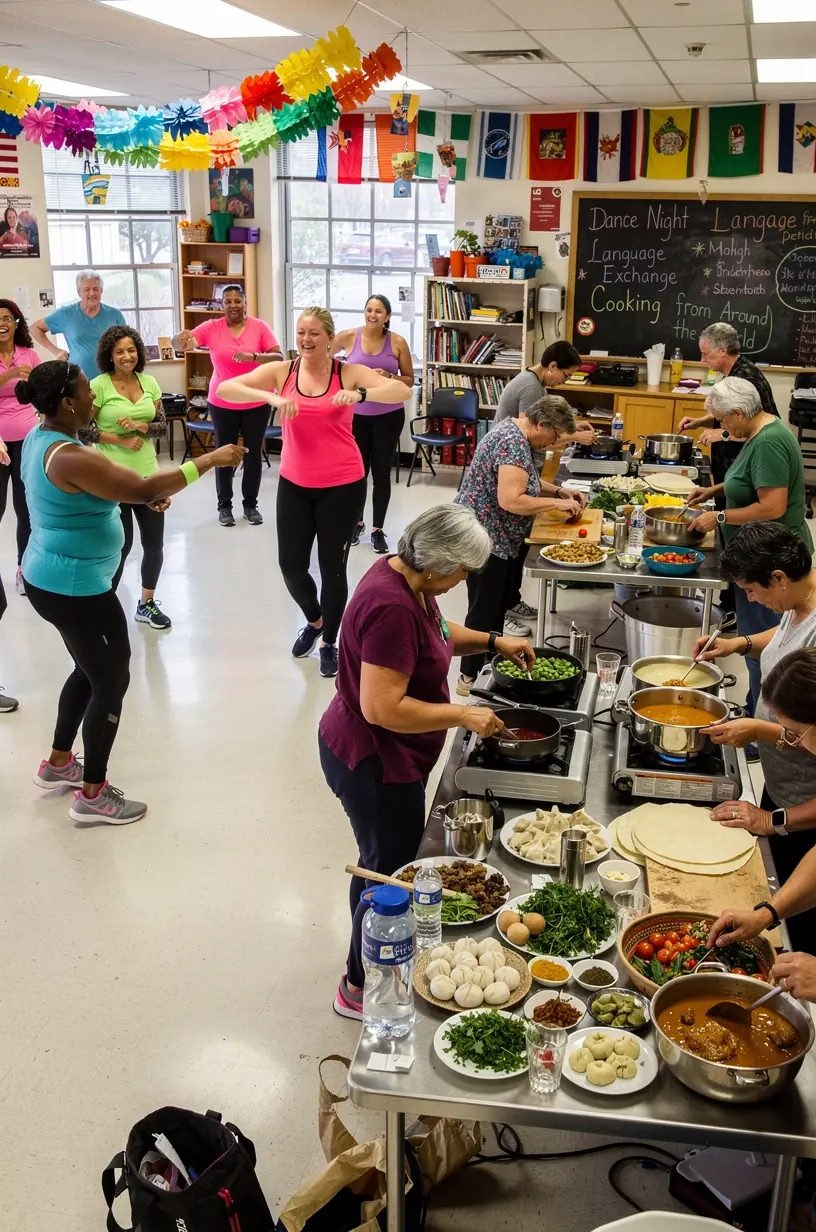
"Art is not just a product of culture, but a vital element that shapes our societal fabric."
How Art Enhances Community Connections
Participating in artistic activities often leads to meaningful connections among residents. Here are some insights into how art fosters these connections:
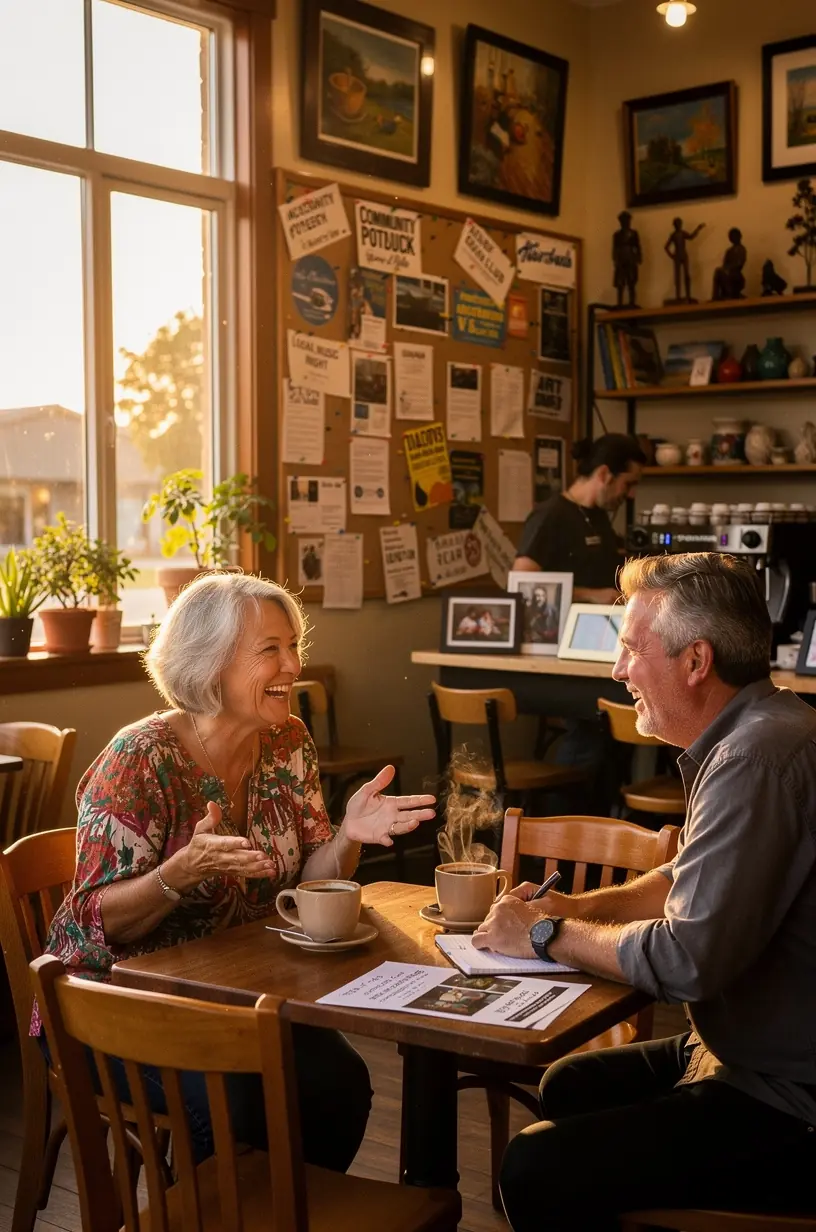
- Social Clubs and Art Groups: Many communities have local art clubs where individuals can meet regularly. Typically, these groups encourage collaboration on projects, which helps build friendships.
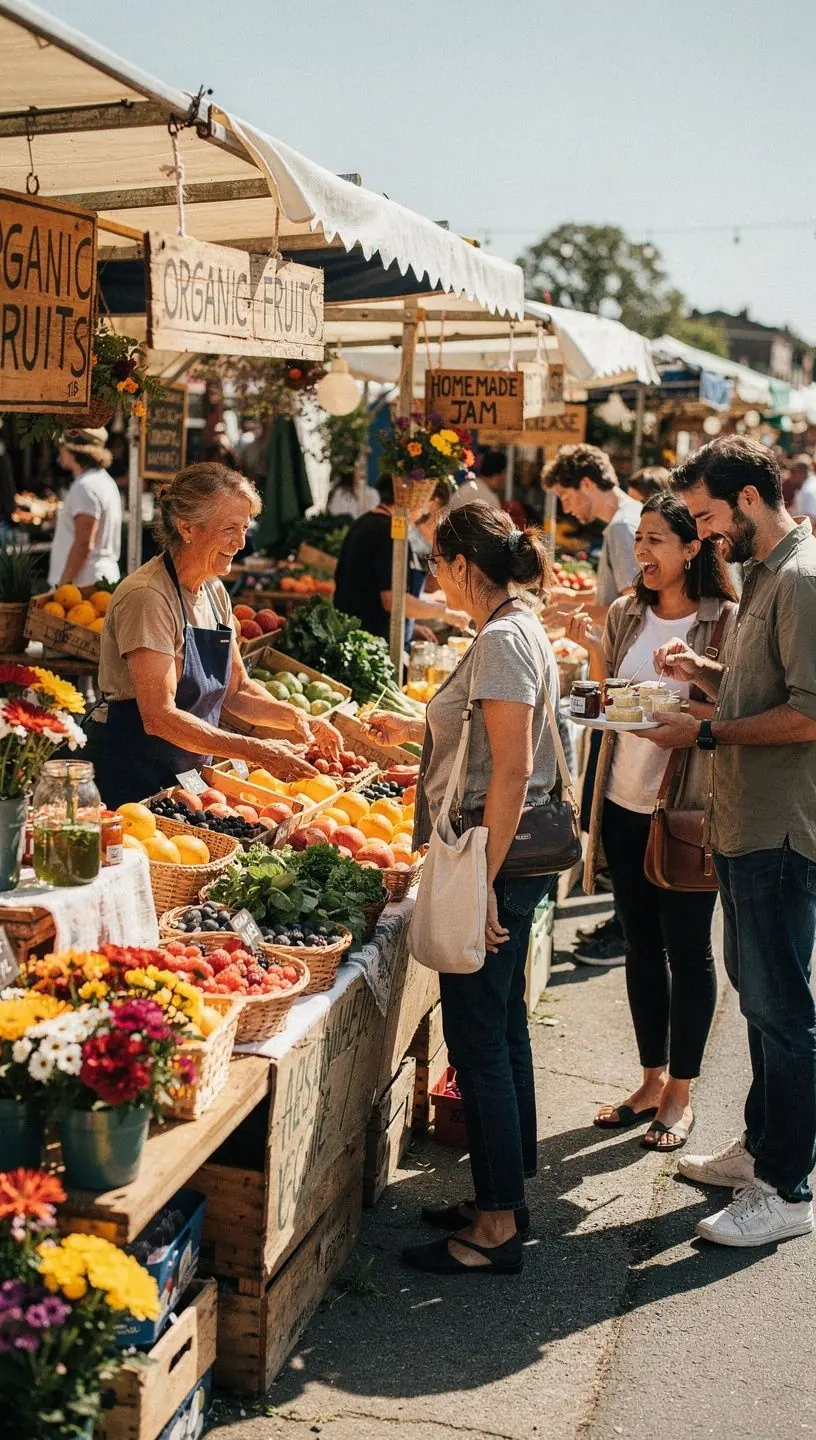
- Events and Festivals: Community art events, such as exhibitions or music evenings, serve as platforms for residents to come together. Studies show that attending such events can increase community pride and identity.
- Volunteer Opportunities: Joining art-based volunteer initiatives allows residents to work together for a common cause, enhancing their sense of purpose and community involvement.
Practical Steps to Get Involved
If you're looking to foster a vibrant arts culture in your local community, consider the following:
- Attend Local Events: Engage with your community by attending local art shows, concerts, or cultural festivals. This typically requires a small time commitment but yields significant social rewards.
- Join or Form a Group: Look for local art clubs or consider starting your own. This approach requires dedication and planning but can create lasting friendships.
- Support Local Artists: Purchasing artwork or promoting local artists can help sustain the cultural landscape of your community. Many local businesses also support art by featuring artists’ work, which can help increase visibility.
Conclusion
Art is a powerful tool for community engagement, particularly for individuals aged 40-60. By participating in local arts initiatives, residents not only enrich their own lives but also contribute to the broader cultural tapestry of their communities. The journey of getting involved may require commitment, but the rewards include enhanced social connections and a deeper sense of place within your community.