Exploring the Benefits of Community Music Programs
As we transition into our 40s and beyond, community engagement becomes increasingly vital. Community music programs can offer not just musical skills but also social connections and mental enrichment. This article delves into the multifaceted benefits of engaging in local music initiatives.
Understanding the Basics of Community Music Programs
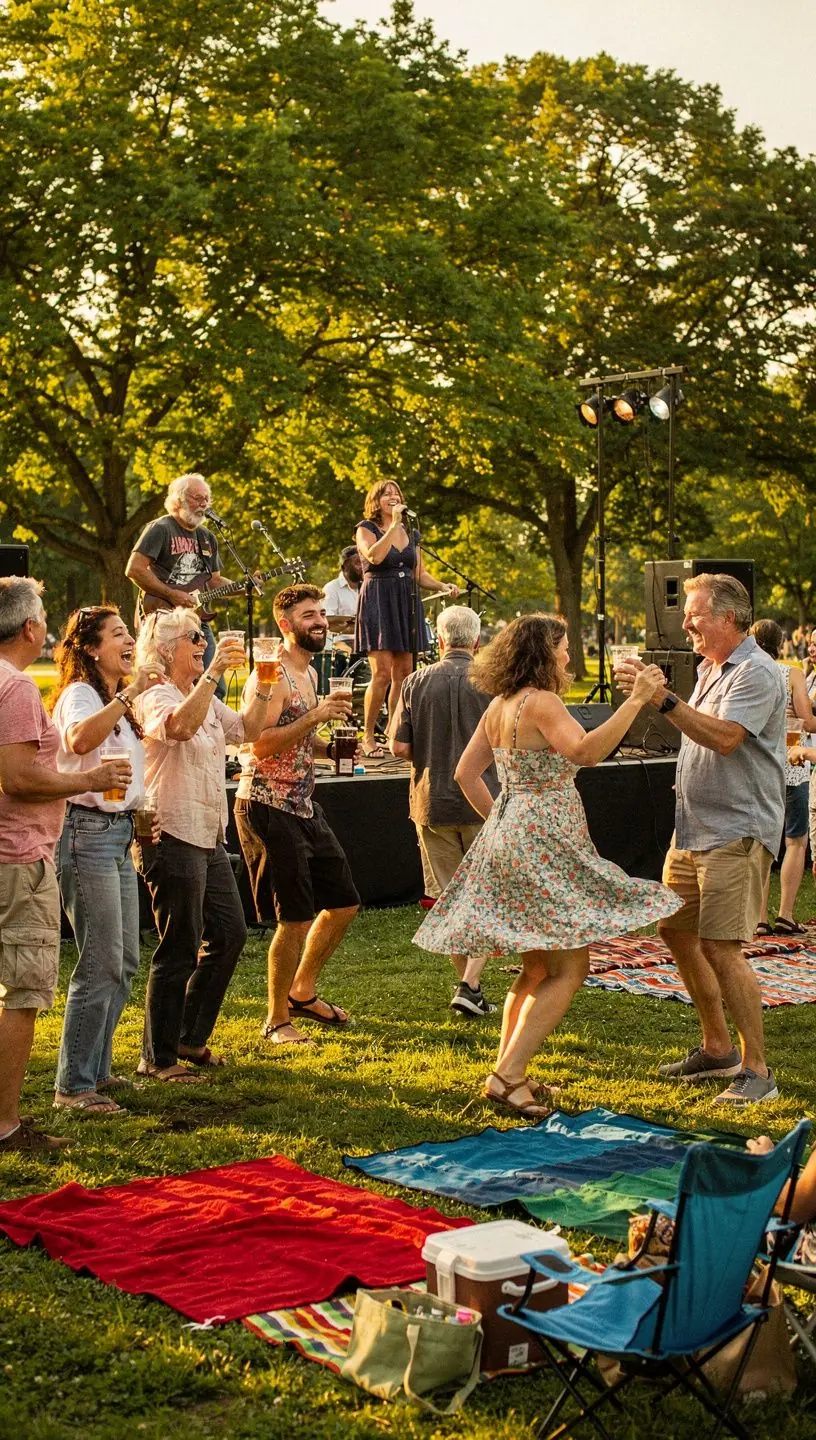
Community music programs typically involve group activities such as singing, playing instruments, or attending musical performances together. These programs are designed to promote cultural appreciation and social interaction. According to research from the National Endowment for the Arts, participation in the arts can lead to increased social cohesion and community bonding.

"Active participation in music not only entertains but also fosters emotional connections and enhances overall well-being." — Experts in community arts
The Psychological and Social Benefits
Engaging in community music programs can have significant mental health benefits. Studies show that participation in group music-making activities can reduce feelings of loneliness and depression. For many adults, these activities can serve as a reliable outlet for self-expression and stress relief.
How Music Affects Mental Health
- Stress Reduction: Music has been shown to lower cortisol levels, which can help in alleviating stress.
- Enhanced Mood: Many users report feeling happier after engaging in musical activities, as music stimulates the release of dopamine, a neurotransmitter associated with pleasure.
- Improved Cognitive Functions: Engaging in music can lead to better memory and learning capabilities, especially in older adults, according to studies conducted by various academic institutions.
Building Community Connections
Community music programs often bring together individuals from diverse backgrounds, fostering relationships and creating networks of support. This setting is particularly beneficial for those aged 40-60, as it can help counteract social isolation, which is a common issue in this age group. The structure of these programs typically encourages collaboration and teamwork, leading to strengthened community ties.
Getting Involved: A Practical Approach
If you're considering joining a community music program, here are a few steps to guide you:
- Research Local Programs: Many community centers, libraries, and schools offer music programs tailored for adults. Look for those that align with your interests.
- Assess Your Commitment: Participation typically requires a commitment of time; some programs may meet weekly or biweekly for several months.
- Engage Actively: The more you engage in practice and performance, the greater the benefits you will experience, including enhanced skills and social connections.
Conclusion
Community music programs offer an array of benefits that extend beyond musical skills. With potential improvements in mental well-being, social connections, and cultural enrichment, these programs can serve as a valuable resource for those aged 40-60. By participating actively, you can enrich your life and contribute to the community's vibrancy.